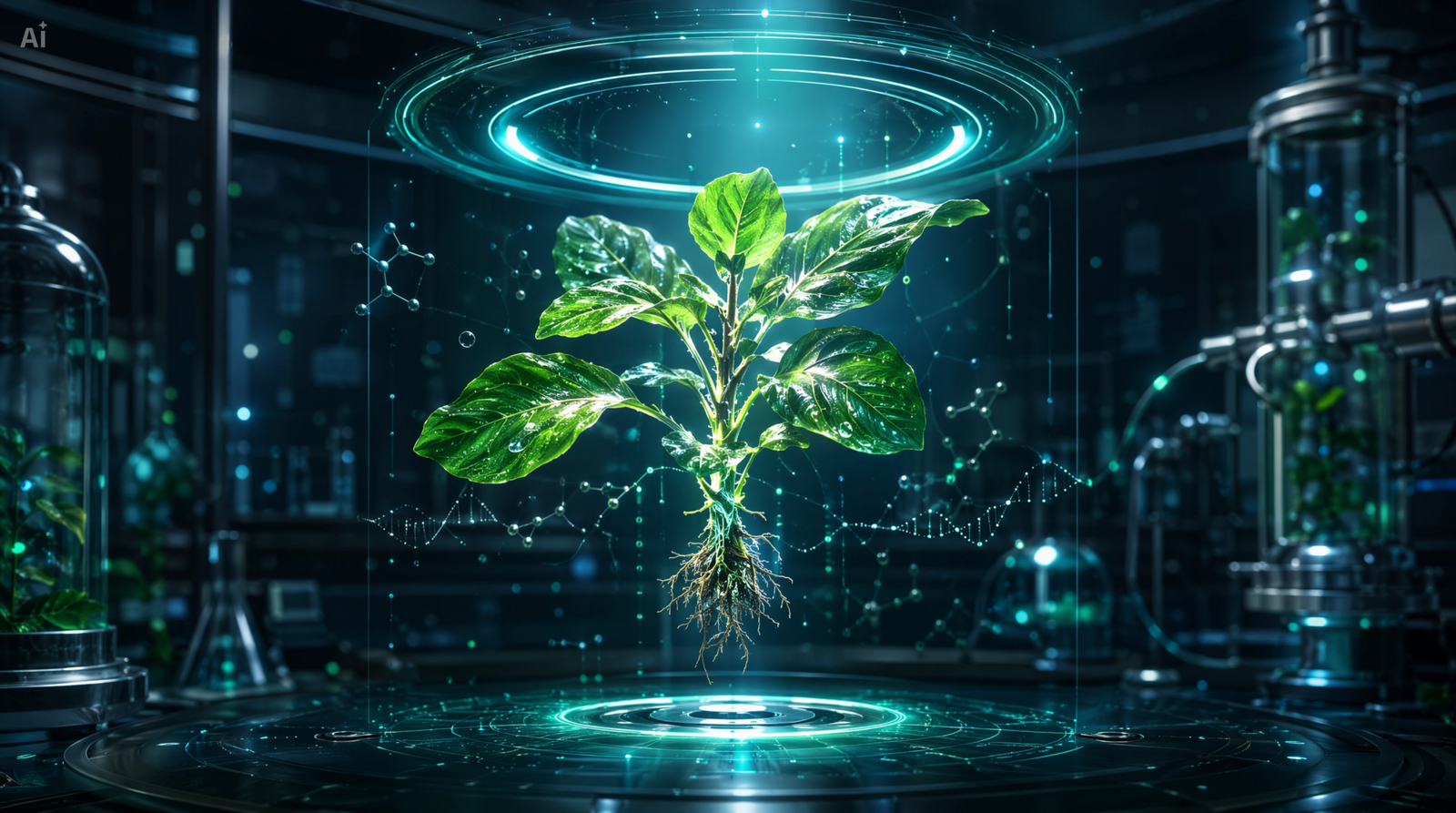
Modern agricultural science has evolved from simple fertilization to a highly technical discipline that integrates biochemistry, soil science, and precision engineering. This holistic approach, often referred to as Nutrigation™, focuses on maximizing crop performance by balancing nutrient delivery, water quality, and the application of bioactive stimulants.
1. Precision Water and Nutrient Management
The foundation of modern agriculture is the precise control of the plant’s “drinking” environment, as plants do not eat; they drink.
- Water Quality as a Determinant: The effectiveness of any nutrition program is limited by the quality of irrigation water. Key parameters include pH, alkalinity, and Electrical Conductivity (EC). For most soil-grown crops, a pH range of 5.5–6.5 is recommended to ensure nutrient availability.
- Solubility and Chemical Interactions: Modern systems utilize specialized fertilizers like Fertiplex MKP and Potassium Nitrate because of their high solubility. To prevent nutrient antagonism and precipitation—such as calcium reacting with phosphates or sulfates—advanced setups use a Tank A/Tank B system, keeping incompatible elements separate until the point of injection.
2. The Science of Bioavailability: Chelation
A critical challenge in soil science is that many essential micronutrients, like Iron (Fe), Zinc (Zn), and Manganese (Mn), often become tied up in the soil and unavailable to the plant.
- The Role of Chelates: Chelation involves bonding a nutrient ion to a “chelating agent” that protects it from reacting with other elements in the soil or water. This ensures the nutrient remains stable and mobile, allowing it to move freely through the soil to the root surface.
- pH-Specific Solutions: Different chelating agents are required depending on soil conditions. For instance, EDTA is cost-effective for foliar sprays, while EDDHA is the “gold standard” for delivering iron in high-alkaline soils up to pH 9.5.
3. Biostimulants: Beyond Standard Nutrition
Modern science distinguishes between fertilizers (which provide nutrients) and biostimulants, which are substances that stimulate plant nutrition processes independently of their nutrient content.
- Metabolic Catalysts: Biostimulants such as amino acids and peptides (found in Fertiplex Min) act as anti-stress agents and growth stimulants. They help plants recover rapidly from abiotic stresses like drought and extreme heat by reducing oxidative stress and maintaining cellular homeostasis.
- Natural Extracts: Sustainable agriculture increasingly relies on extracts from the brown algae Ascophyllum nodosum. When extracted via cold-press or enzyme methods, these extracts retain vital bio-actives like mannitol and alginates, which trigger the plant’s own defense mechanisms and improve root-zone structure.
4. Structural and Physiological Resilience
Innovative elements like Silicon (Si) are now recognized for their “mechanical” benefits to plant health.
- The Silicon Shield: When absorbed as Ortho-Silicic acid, silicon is deposited in plant tissues as “phytoliths,” creating a mechanical barrier that increases leaf thickness and stem strength.
- Stress Mitigation: This structural fortification significantly improves water use efficiency by reducing transpiration during heatwaves and increases the plant’s resistance to physical damage and pathogens.
5. Overcoming Quality Challenges
Precision science now offers targeted solutions for specific physiological disorders.
- Calcium Precision: Calcium is a “quality enabler” essential for fruit firmness and shelf life, but it is notoriously immobile. Advanced products like Nutrion Dual Force and Nutrion Cal Pure provide highly soluble, chloride-free calcium that prevents common issues such as Blossom-End Rot in tomatoes, Bitter Pit in apples, and Tip Burn in lettuce.
Conclusion
The most important aspect of modern agricultural science is the move toward integrated management. By combining high-purity nutrients with specialized chelation, structural reinforcement via silicon, and metabolic stimulation through biostimulants, farmers can ensure that every molecule of input supports the plant’s journey from establishment to maturation.